
Cholesterol, what does it mean
 Many people are afraid of eating different foods because of cholesterol. However,most of the cholesterol in our blood is not there because of what we’ve eaten.
When we consume foods containing cholesterol, we only absorb 2 to 4 mg. of cholesterol per kilogram of body weight per day. So, even if we were to eat a dozen eggs each day, we would only absorb 300 mg which is, by the way, the recommended daily amount.
Where does most of the cholesterol come from?
Our livers make approximately 75% of the cholesterol that exists in our blood. The more cholesterol we eat, the less the body will make. The less cholesterol we eat, the more the body will make.
If Cholesterol was so bad, why would the body make so much?
How does the body use cholesterol?
Cholesterol is a good thing. It is essential to the body’s health. Cholesterol is a vital nutrient that plays a critical role in numerous bodily functions, from building cell membranes to producing hormones.
The body produces its own supply of cholesterol in the liver, and it’s found naturally in all animal products (such as meats, eggs, milk, and cheese).
What is Cholesterol?
Cholesterol, a lipid generated by the liver, is a type of fat-like substance found in the bloodstream and all cells of the body.
Cholesterol is one type of lipid or fat in the body. It is synthesized predominantly in the liver and used to make steroid hormones, and is required for bile acid which aid in the digestion and absorption of dietary fats.
Cholesterol is also found in our diet, with a vast majority consumed from animal products. When animal products and processed foods rich in saturated and trans fats are consumed in excess amounts, high cholesterol, along with the inflammation produced from eating a low-nutrient diet, will result in cholesterol plaques leading to cardiovascular disease.
An estimated 31.9 million adults (>/= 20 years of age) have a total serum cholesterol greater than 240, with a prevalence rate of 13.8%. The prevalence of abnormal lipids in youths ages 12 to 19 was 20.3%.1 As the dietary habits found in the Standard American Diet continue, prevalence rates will continue to increase among adults and children.
A cholesterol panel includes total cholesterol, LDL (low-density lipoprotein), and HDL (high-density lipoprotein) levels.
LDL is referred to as “bad cholesterol” and HDL as “good cholesterol.”
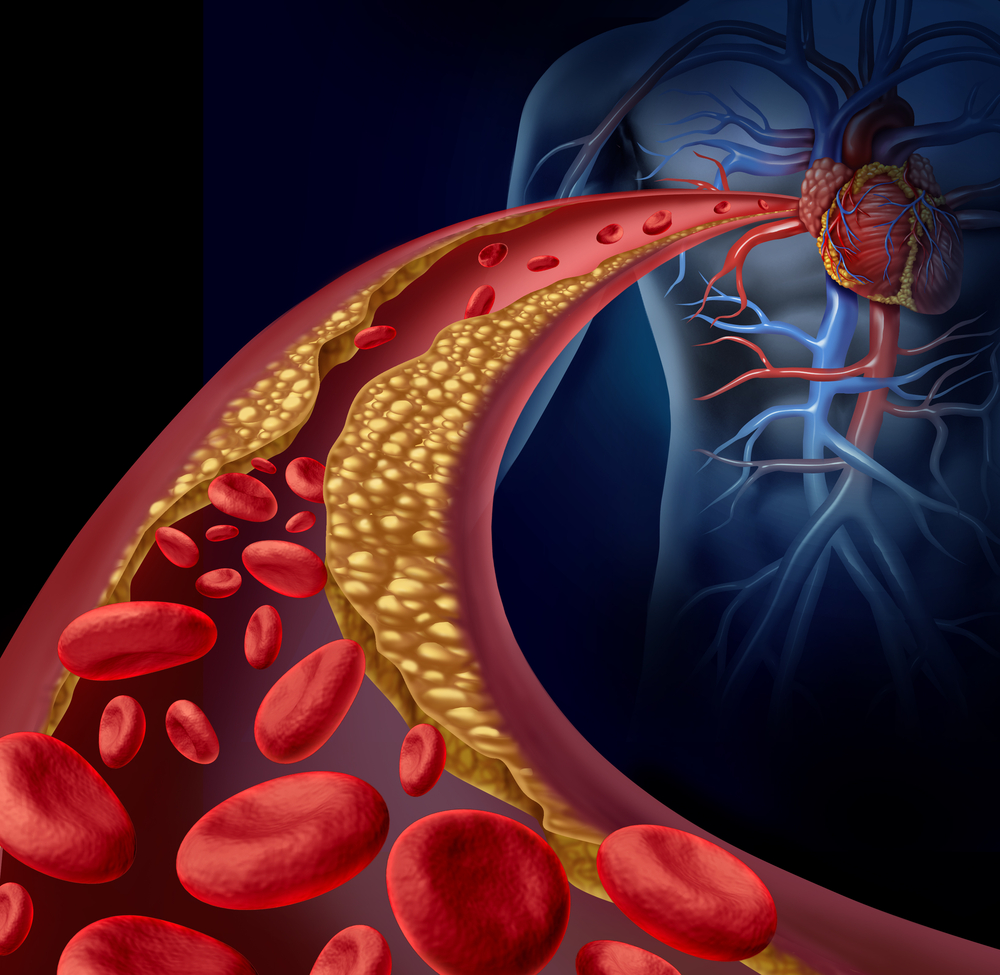
Cholesterol is packaged into lipoproteins when circulating in the blood; LDL carries cholesterol to the cells, and HDL delivers the excess back to the liver, where it is broken down. Specialized lipid blood tests are able to evaluate the size and particle number of LDL. Having elevated numbers of small dense LDL particles increases cardiovascular risk. As these particles interact with and are degraded by white blood cells in an inflammatory environment that can arise from eating a SAD diet, foam cells form, and LDL can now easily accumulate as plaque build-up. Cholesterol plaque that covers the inner lining of arteries can cause obstruction and block blood flow to various organs. A ruptured cholesterol plaque can quickly form clots in arteries, leading to blockages.
Cholesterol is used by the body to:
- Build and maintain cell membranes.
- It is essential for determining which molecules can pass into the cell wall and which cannot (called cell membrane permeability)
- Used in the production of the sex hormones – estrogen and testosterone.
- It is essential for the production of hormones released by the adrenal glands – cortisol, corticosterone, aldosterone, etc.
- It aids in the production of bile which is necessary for digestion of fats
- It converts sunshine to Vitamin D in the body.
- Cholesterol also helps transport other lipids throughout the bloodstream.
- It is important for the metabolism of fat-soluble vitamins, including A, D, E, and K
- It insulates the nerves. Cholesterol is used by the body to make the lining of the nerves (called the myelin sheath) which is much like a protective coating around an electrical wire.
- The brain is made of cholesterol.
- Having adequate levels of cholesterol can facilitate cognitive functioning, bolster moods, and enhance overall wellbeing.
- The most important benefit of having healthy cholesterol levels is improved cognitive function.
What is the problem with cholesterol?
High cholesterol is talked about as being a threat to a healthy heart. When excess amounts of cholesterol build up along the walls of the arteries, the heart faces the risk of a complete blockage, leading to a heart attack or stroke.
In the heart, this can lead to chest pain, progressing to heart attacks.
In the kidneys, this can lead to renal disease and failure.
In the legs, this can lead to peripheral vascular disease with symptoms like numbness, pain, or tingling.
In the eyes, this can lead to poor vision and blindness.
In men, this can manifest as erectile dysfunction.
Medications used to treat high cholesterol include those that stop the production of cholesterol in the liver or those that inhibit the absorption of dietary cholesterol in the intestines. Statins like Lipitor and Crestor have been shown to increase the risk of myalgias, liver dysfunction, renal disease, macular degeneration, and diabetes.2 Not only is treating high cholesterol with a Nutritarian diet safer but it has been found to be even more effective at lowering LDL levels than medications.3
Why doesn’t the body eliminate this extra cholesterol?
We hear the term LDL as the bad cholesterol. LDL stands for Low Density protein. It is a lipoprotein.
What is a Lipoprotein?
A lipoprotein is any of a group of soluble proteins that combine with and transport fat or other lipids in the blood plasma (fluid).
Low-density lipoprotein (LDL) refers to lipoprotein particles that carry cholesterol throughout the body, delivering it to the different organs and tissues for use by the body’s cells.
If your body has more cholesterol than it needs, the excess keeps circulating in your blood. This can cause a build-up of cholesterol on the vessel lining. This is called plaque. This is why it’s called Bad Cholesterol.
High-density lipoproteins (HDL) refer to lipoproteins that carry cholesterol from the body’s tissues to the liver. They act as cholesterol scavengers, picking up extra cholesterol in the blood and taking it back to the liver to be broken down.
Because HDL can remove extra cholesterol from the blood and from deposits of lipid-containing plaques on the innermost layer of the wall of an artery and transport it back to the liver for excretion or re-utilization, they are seen as “good” lipoproteins.
Could your Dangerous Cholesterol Come from Carbs, Not Fat? **Scientific Study Reference Study PubMed.gov (blood lipids is a term used for all the fatty substances found in the blood, including cholesterol and triglycerides)
What is the solution?
Having a proper balance of HDL and LDL can increase energy production, metabolism, and even guard against certain illnesses. It can also lead to enhanced blood circulation and improved digestion/absorption rates for essential nutrients.
Now, even though dietary cholesterol may not have a huge impact on overall levels, excessive consumption of saturated fats can still pose risks, including increased LDL levels if left unchecked.
But it’s not just increased LDL that’s leading to cardiovascular disease; it’s oxidized LDL that’s the real problem.
Excessive oxidized LDL can lead to plaque formation, which can cause heart disease and other chronic diseases.
When cholesterol undergoes oxidation, it forms products that can sometimes be identified and measured in the body.
It can also be caused by exposure to industrial chemicals, cigarette smoke, pollution, ozone and radiation as well as consuming excess glucose or reheated cooking oil.
Having metabolic syndrome is another risk factor for oxidized cholesterol as it is characterized by having at least 3 of the following risk factors:
Artificially lowering cholesterol
I’m sure you have heard of, or you might be taking the prescription “statin” drugs to lower your cholesterol? It is hard on the liver and is why your liver metabolism must be monitored by the prescribing doctor. They block cholesterol in the body. But as above, you need the HDL Cholesterol to remove excess cholesterol from the blood.
Fortunately, there are plenty of natural ways we can manage our own individual cholesterol levels without resorting to medications.
What does help to lower cholesterol?
A diet that is not processed and does not contain high amounts of sugar and carbohydrates (carbohydrates are really sugar molecules hooked together). A diet with sufficient fiber, vegetables, and fruit.
The amount of dietary cholesterol you consume has little effect on your total blood levels because the body regulates how much gets absorbed from food sources through processes such as bile acid secretion and reabsorption in the intestines. Essentially, if you consume more dietary cholesterol than your body requires, it will simply expel the excess instead of taking in all that is available.
This includes:
- Switching out unhealthy processed foods
- Adding more omega-3 fatty acid-rich fish to our diets
- Exercising regularly
- Reducing stress and lowering inflammation in the body
- Reducing our sugar and carb intake.
- Trading bad fats for good ones
- Limit saturated fats
- Eliminate trans fats found in processed foods such as chips and cookies.
Exercise is very important, and even with a high-fat diet, you can lower your cholesterol just by taking a half hour walk day.
What supplements can I take?
RECOMMENDED:
Clinical studies indicate that plant sterols can help reduce the absorption of cholesterol in the small intestine by up to 50%.
This can lower LDL when consumed as part of a healthy diet low in saturated fat and cholesterol.
Plant-Based Nutritional Supplements to Support Lower Cholesterol Naturally
Nutritional supplements are valuable if you are trying to achieve better health naturally. It should be a formula specifically to support better metabolic health. What is metabolic health?
What ingredients should be used, and how do they lower cholesterol?
RECOMMENDED:
A way to Lower Cholesterol that is NOT a drug.
Are you seeking a natural approach to managing your cholesterol levels?
Remember, it is not a drug and works at the nutritional level to help your body lower its cholesterol levels.
Learn more at LDL Biotect – Supports Healthy Cholesterol and Blood Pressure
(This article has both Scientific Studies & Success Reviews using the product)
Healthy Cholesterol Levels – Naturally
Read Joel Fuhrman, MD’s Book – “The End of Heart Disease”
STILL HAVE QUESTIONS? EMAIL AND GET YOUR QUESTIONS ANSWERED OR CALL 818 252-1038
Please note: We recommend you consult with your healthcare provider before making any major dietary or lifestyle changes.
Sign up to receive the MCVitamins Newsletter!
Up-to-date info on the latest health-related news happening in the world
(available in English only)