

Prostatitis/Enlarged Prostate & Prostate Health
 What is prostate health?
The prostate is a small chestnut-sized gland located just beneath the urinary bladder and in front of the rectum. It encircles the tube that carries urine from the bladder to the outside of the body. Found only in men, the prostate adds a liquid medium that the sperm cells need for nourishment, which carries the sperm during ejaculation.
The prostate is the most common site of disorders in the male urinary system. Two of the most common prostate problems are prostatitis and enlarged prostate (medically known as benign prostatic hypertrophy (BPH).
Prostatitis is defined as an inflammation of the prostate gland.
Prostatitis can be either acute or chronic. Typical symptoms of acute prostatitis are:
1) Difficulty in starting to urinate
2) Increased urge to urinate
3) Burning or painful voiding of urine.
4) Dribbling and difficulty emptying the bladder
5) Frequent or continuous lower back pain.
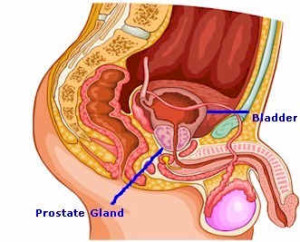 It may also include pain between the scrotum and rectum. It can be accompanied by fever and by blood or pus in the urine.
Symptoms of chronic prostatitis are frequent and burning urination with blood in the urine, lower back pain, and impotence. Urination becomes more difficult as the problem advances.
Gradual enlargement of the prostate occurs in approximately 60% of men over the age of fifty and three-quarters of the men over seventy years of age, and is largely attributable to hormonal changes associated with aging.
While not cancerous, an enlarged prostate can nevertheless cause problems. If it becomes too large, it obstructs the urethral canal, which will interfere with urination and thus its ability to empty the bladder.
Common prostate symptoms are hesitation or difficulty in urinating and the frequent need to urinate, both during the day and at night. Because the bladder cannot empty completely, the kidneys can be damaged.
Warning: The symptoms for these disorders could also be prostate cancer, so check if you have these symptoms:
- Painful urination, coupled with lower back pain, fever, and pelvic pain.
- You frequently feel the urge to urinate but can’t get started.
- You repeatedly urinate two or three times a night.
- You still feel full after urination.
Helpful Changes & Nutrition:
(Includes recommended nutritional supplements)
Hydrotherapy can be used to increase circulation in the prostate area. You can sit in a tub that contains the hot water, as hot as is tolerable, for fifteen to thirty minutes once or twice a day.
Eliminate: Tobacco, alcoholic beverages, caffeine, chlorinated and fluoridated water, spicy foods, junk foods, and tomato and tomato products. Limit your exposure to pesticides and other environmental contaminants.
If you have prostatitis, increase your fluid intake. Drink plenty of water daily to stimulate urine flow.
Get regular exercise. Do not ride a bicycle, as this may put pressure on the prostate. Walking is good exercise.
If your prostate is enlarged, don’t take over-the-counter cold or allergy remedies. These can contain ingredients that can worsen the condition and cause urinary retention.
Avoid exposure to very cold weather.
Engaging in sexual intercourse while the prostate is infected can further irritate the prostate.
Zinc deficiency is linked to enlargement of the prostate. Soil used in farming is often deficient in zinc. Alcohol causes a deficiency of zinc and other serious nutritional deficiencies. However, too much zinc can depress immune function, upset your gastrointestinal system and can deplete your body of another mineral, copper. So do not take more than 50 mg a day without talking to your nutritionist or health care professional.
A healthy high fiber diet, weight loss, if necessary, vitamin and mineral supplementation, and in some cases, essential fatty acids.
Recommended:
Men’s Daily + D3 – Targeted Nutritional Support for Men’s Health
(includes Scientific Studies & Customer Reviews)
STILL HAVE QUESTIONS? EMAIL or CALL (818) 252-1038 AND GET YOUR QUESTIONS ANSWERED.
Sign up to receive the MCVitamins Newsletter!
Up-to-date info on the latest health-related news happening in the world
(available in English only)