

Do You hve an Autoimmune Condition?
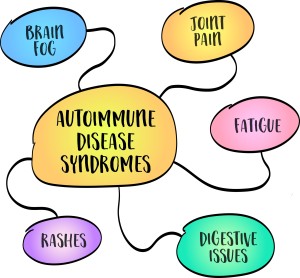 An autoimmune condition develops when the immune system mistakenly attacks the body’s own tissues. Mitochondria may contribute to this process in several ways.
When mitochondria are not functioning properly, cells struggle to produce and regulate energy. Since mitochondria are present in nearly all cells, poor mitochondrial health can affect many systems throughout the body.
Mitochondria and the immune system are closely linked, and this relationship plays a significant role in autoimmune disorders.
The Role of Mitochondria
Mitochondria are often referred to as the “power plants of the cell” because they:
* Generate energy needed for cellular activity
* Help regulate programmed cell death
* Control inflammation and responses to stress
They also contain their own genetic material, known as mitochondrial DNA (mtDNA).
How Mitochondria Communicate with the Immune System
Mitochondria play an active role in immune signaling.
Mitochondria as immune signals
* When mitochondria become damaged, they can release mtDNA and proteins
* The immune system may interpret these substances as signs of infection
* This can trigger an inflammatory response
Energy supply for immune cells
* Immune cells require large amounts of energy
* Different immune cells depend on mitochondria in unique ways|
* If mitochondrial function is impaired, immune activity can become imbalanced.
Mitochondrial damage
Mitochondria can be damaged by:
* Factors such as stress, infections, or environmental toxins can injure mitochondria
* Damaged mitochondria release signals that activate immune defenses
* Ongoing activation may lead to long-term inflammation
Mistaken identity
* Mitochondria originated from bacteria millions of years ago
* Their DNA closely resembles bacterial DNA
* This similarity may cause the immune system to attack mitochondrial components
Inflammatory signaling
Mitochondria help regulate:
Reactive oxygen species (ROS) — excessive levels cause oxidative stress
Inflammasomes — molecular systems that control inflammation
When these processes become overactive, autoimmune symptoms may intensify.
Autoimmune Conditions Linked to Mitochondrial Dysfunction
Research suggests mitochondrial involvement in several autoimmune diseases, including:
* Systemic Lupus Erythematosus (Lupus)
* Rheumatoid arthritis
* Multiple sclerosis
* Type 1 diabetes
* Inflammatory bowel disease
This does not mean mitochondria directly cause these conditions, but they may worsen symptoms or help initiate immune dysfunction.
Why This Connection Matters
Understanding how mitochondria interact with the immune system allows researchers to:
* Design targeted treatments
* Reduce excessive inflammation
* Protect cells from immune-related damage
Some emerging therapies focus on supporting mitochondrial health or minimizing mitochondrial stress.
Summary
* Mitochondria do more than produce energy
* They send signals that influence immune activity
* Mitochondrial damage can trigger an immune overreaction
* This process may contribute to autoimmune disease development.
Do we want you to just trust us? Here are the Scientific Sources
The Key Role of Mitochondrial Function in Health and Disease
Mitochondria Dysfunction: mechanisms and advances in therapy (This page includes more studies on the same subject, including its connection to diseases.
Sign up to receive the MCVitamins Newsletter!
Up-to-date info on the latest health-related news happening in the world
(available in English only)