

Vitamin C – what are all the health benefits?
 Vitamin C is an antioxidant that is required for tissue growth and repair, adrenal gland functions, and healthy gums.
It also aids in the production of anti-stress hormones and interferon (an antiviral protein produced by cells that have been invaded by a virus; inhibits replication of the virus), and is needed for the metabolism of lactic acid, tyrosine and phenylalanine. It protects against the harmful effects of pollution, helps to prevent cancer, protects against infection, and enhances immunity. Vitamin C increases the absorption of iron. Essential in the formation of collagen, vitamin C protects against blood clotting and bruising and promotes the healing of wounds and burns. Evidence suggests that Vitamin C works with Vitamin E, and they reinforce and extend each other’s antioxidant activity.
There are only 3 mammals on planet Earth that do not manufacture vitamin C. These are the guinea pig, the rhesus monkey, and humans. The way all three must acquire the vitamin C they need is through their diets and/or supplementation.
Are you getting enough Vitamin C?
For Diabetics:
Taking Vitamin C is essential. Your body attempts to protect itself from high blood sugar levels by converting excess glucose in your bloodstream to sorbitol, which is a form of sugar that is initially less damaging to your body.
But over time, sorbitol travels to certain parts of the body where it builds up. Research indicates that this buildup of sorbitol is a factor in the long-term complications of diabetes.
These complications are cataracts, neuropathy (nerve damage), retinopathy (going blind), and nephropathy (kidney failure).
Studies have shown that taking 2,000 mg/day of vitamin C reduces the production of sorbitol and strips sorbitol out of the body.
Another study presented at the Nuffield College of Ophthalmology [Definition: the branch of medicine concerned with the eye and its diseases] of Oxford University, England, showed that vitamin C slowed and stopped the development of cataracts, and that natural vitamin C was more effective than synthetic ascorbic acid.
High Blood Pressure:
If you have high blood pressure, taking vitamin C is a must. A study done by scientists at the Boston University School of Medicine and the Linus Pauling Institute at Oregon State University showed that people with high blood pressure had their blood pressure levels fall by an average of 9.1% by taking 500 mg of vitamin C each day for a month.
A 10-year study from UCLA showed that in a population of more than 11,000 US adults aged 25-74, men who took 800 mg of vitamin C daily lived about six years longer than men who took only 60 mg of vitamin C daily. Increased vitamin C intake was likewise associated with greater longevity in women. Higher vitamin C intake reduced cardiovascular deaths by 42% in men and 25% in women.
Gum Disease:
Gingivitis is characterized by gum redness, changes in the gum, and bleeding. It is essentially painless.
It is created when plaque (sticky deposits of bacteria, mucus, and food particles) adheres to the teeth, hardens, and irritates the gums.
The accumulation of this plague causes the gums to become infected and swollen. As the gums swell, pockets form between the gums and the teeth and act as a trap for more plaque. Irritated gums bleed and eventually start to recede.
This irritation can be fought by taking Vitamin C, which fights the formation of plaque.
Life Span:
A 10-year study from UCLA showed that in a population of more than 11,000 US adults aged 25-74, men who took 800 mg of vitamin C daily lived about six years longer than men who took only 60 mg of vitamin C daily.
The larger vitamin C intake was likewise associated with greater ongevity in women. Higher vitamin C intake reduced cardiovascular disease by 42 percent in men and 2 percent in women.
Vitamin C is an antioxidant
Without Vitamin C, you can bruise easily, have wounds that don’t heal, gum problems and aching joints.
Ascorbic Acid is not vitamin C.
There is a huge difference between whole food Vitamin C and just Ascorbic Acid.
Talking about Ascorbic acid when you want to take Vitamin C is like wanting to eat an egg and getting the shell.
The more ascorbic acid you take, the less your body absorbs. An intake of less than 20 mg hasa 98% absorption rate. By the time you take 1000 mg to 1500 mg, the absorption has dropped to 50%. In amounts over 12 grams, the absorption of ascorbic acid drops to only 16%.
Why do we need to take Vitamin C?
Vitamin C is an antioxidant that is required for tissue growth and repair, adrenal gland functions, and healthy gums. It also aids in the production of anti-stress hormones and interferon, and is needed for the metabolism of lactic acid, tyrosine, and phenylalanine. It protects against the harmful effects of pollution, helps to prevent cancer, protects against infection, and enhances immunity. Vitamin C increases the absorption of iron. Essential in the formation of collagen, vitamin C protects against blood clotting and bruising and promotes the healing of wounds and burns. Evidence suggests that Vitamin C works with Vitamin E, and they reinforce and extend each other’s antioxidant activity.
Do You Need to Supplement?
Occasionally if you can’t get enough from food. Or a child or adult ust won’t eat what they need.
RECOMMENDED
Foods that have Vitamin C.
Here are some common and powerful sources of vitamin C (great for immunity, skin health, and overall wellness).
Remember that Vitamin C in food is utilized better than vitamin tablets, etc.
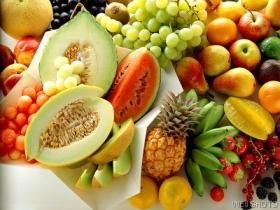
Fruits high in vitamin C
* Oranges
* Lemons & limes
* Grapefruit
* Strawberries
* Kiwi
* Pineapple
* Mango
* Papaya
* Guava (one of the richest sources!)
Vegetables rich in vitamin C
* Bell peppers (especially red and yellow — very high!)
* Broccoli
* Brussels sprouts
* Kale
* Spinach
* Cabbage
* Tomatoes
* Cauliflower
Other good sources
* Chili peppers (very high!)
* Fresh herbs like parsley and thyme
Tips
* Raw or lightly cooked foods retain more vitamin C (it’s heat-sensitive).
* Eating a mix of fruits and veggies throughout the day helps meet your needs.
A Whole Food Vitamins for a problem with a child or adult who won’t eat correctly:
Still have questions? Email us
Sign up to receive the MCVitamins Newsletter!
Up-to-date info on the latest health-related news happening in the world
(available in English only)