
Heart Health, How to Keep Your Heart Strong and Healthy
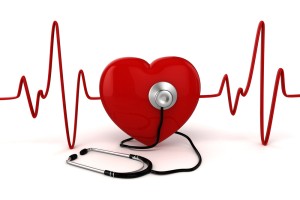
What is heart health?
Heart health refers to how well your heart and blood vessels function. Good heart health reduces the risk of serious conditions like Cardiovascular disease and stroke. It is supported by healthy lifestyle habits such as regular exercise, balanced nutrition, stress management, and avoiding smoking.
Why heart health matters
Your heart is the main pump of your body. When it is healthy, oxygen and nutrients move efficiently through your bloodstream. Poor heart health can lead to high blood pressure, blocked arteries, and life-threatening complications.
According to the American Heart Association, many heart-related conditions are preventable through daily lifestyle choices.
How to improve heart health
You can strengthen your heart by making small but consistent changes:
- Eat a balanced diet rich in fruits, vegetables, and lean proteins
- Exercise at least 150 minutes per week (walking, cycling, swimming, etc.)
- Limit salt, sugar, and saturated fats
- Avoid smoking and secondhand smoke
- Maintain a healthy weight
- Manage stress through relaxation techniques or a hobby
- Get 7–9 hours of quality sleep each night
Heart-healthy foods
Food Benefit
- Salmon Rich in omega-3 fatty acids that support heart function
- Oats help reduce cholesterol levels
- Berries High in antioxidants that protect blood vessels=
- Leafy greens support healthy blood pressure
- Nuts improve good cholesterol levels
Common risk factors for poor heart health
Some factors increase the risk of heart problems, including:
- High blood pressure
- High cholesterol
- Diabetes
- Smoking
- Physical inactivity]
- Unhealthy diet
Daily habits for a stronger heart
Small daily actions can make a big difference:
- Take the stairs instead of the elevator
- Drink more water and fewer sugary drinks
- Take short walking breaks during the day
- Cook more meals at home
Why can things go wrong?
Heart health is built through consistent, healthy choices. By improving your diet, staying active, and avoiding harmful habits, you can significantly lower your risk of heart disease and improve your overall well-being.
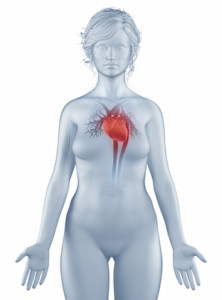
The cardiovascular system is a network of arteries, veins, and capillaries that carry blood back and forth from the heart to the tissues of the body.
Blood carries oxygen, hydrogen, and glucose (simple sugars) to cells where they are used as the basic fuel of the body. It carries other nutrients, including amino acids and vitamins, enzymes, hormones, and immune system factors and agents.
For the cardiovascular system to function, the heart muscle must be strong, and the blood vessels must be clear, unobstructed, and sufficiently dilated and pliable to adequately transport the blood. It is especially critical that the vessels carrying blood to the heart tissues are healthy; otherwise, the critical organ cannot serve the rest of the body. Restrictions of these vessels can occur gradually over the years or in a sudden cataclysmic occurrence.
WHAT ARE THE RECOMMENDATIONS FOR HEART PROBLEMS
“Alternative” medicine that is used for a heart attack:\
1. Mix 1 teaspoon cayenne pepper, 1 crushed clove of garlic, and 1-2 Tablespoons of honey in 1-1.5 cups of boiling water and drink. Repeat once daily after a heart attack.
2. The best cure after a heart attack is to get oxygen to body cells so they can repair the damage. Mix 1 teaspoon of dimethylsulfoxide (DMSO) with 1 full glass of water and drink. Repeat every couple of hours.
3. Take magnesium daily to rebuild the heart. When magnesium is depleted, it makes muscles twitch – and can do the same to the heart.
4. Take aged garlic extract capsules daily.
5. Hawthorn, used regularly, strengthens the heart muscle. Studies show that hawthorn speeds recovery after a heart attack. It strengthens the heart and forestalls any onset of coronary disease. No other herb provides the nourishing regeneration of hawthorn after a heart attack.
A Healthy Heart… Your Life Depends on it!
 Avoid a Heart Attack by Dr. Eric Berg
I want to share helpful tips to potentially help you avoid a heart attack. With a heart attack, typically, the artery becomes blocked, which cuts off blood supply to the heart muscle, and the heart cramps, which can lead to death.
Typically, there are all sorts of warning signs of a heart attack. But, over 50% of the time, people experience no symptoms at all of a heart attack. When there are clues, they shouldn’t be ignored.
Sometimes clues like shortness of breath, high blood pressure, chest pain while exercising or going through stress, weakness when climbing stairs, or more fatigue while exercising are covered up by medications.
Symptoms are warning signs. They’re not the problem. As you treat the symptom, you need to understand the symptom and treat the reason why it’s there in the first place.
Heart attacks usually start with endothelial dysfunction. This means that there is damage inside the arteries, especially the coronary arteries and the heart. This could mean that there is some type of oxidation or inflammation in that artery that could cause a cascade of effects leading to a heart attack.
Vitamin E and vitamin C are both very important to help protect the inside of that artery. Two of the biggest things that cause the destruction of vitamin C and vitamin E are sugars and refined carbohydrates.
RECOMMENDED:
To Support a Healthy Heart –
“The End of Heart Disease” by Joel Fuhrman, M.D & Nutritionist
Reverse Heart Disease, Normalize Blood Pressure, and Lower Cholesterol
Dr Fuhrman’s Supplements to Support Health, and specifically (also has a Bundle for all 6 supplements)
Includes Daily Formula +D3, LDL Biotect, Immune Biotect, DHA & EPA = Purity, Ultra Cell Biotect
Sign up to receive the MCVitamins Newsletter!
Up-to-date info on the latest health-related news happening in the world
(available in English only)