

Understanding Diabetes: Causes, Types, Symptoms, and Management
What are the Types of Diabetes?
Can Diabetes be imporved? Many people wonder whether a diabetic condition can be improved and what causes diabetes in the first place. While diabetes is a complex condition with multiple contributing factors, understanding its causes, the types of diabetes, and treatment options is the first step toward better management and improved health outcomes.
Types of Diabetes
Diabetes is generally divided into two main categories:
Type 1 Diabetes
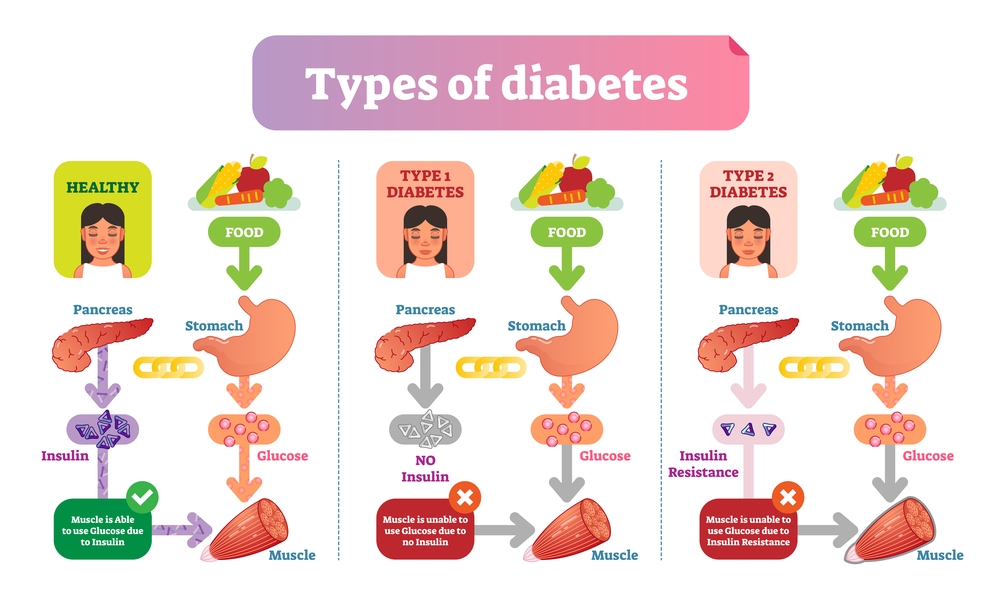
Type 1 diabetes, often referred to as insulin-dependent or juvenile diabetes, occurs when the body’s immune system destroys the beta cells of the pancreas. These cells are responsible for producing insulin, the hormone that allows glucose to enter the body’s cells and be used for energy.
Because the pancreas produces little or no insulin, people with Type 1 diabetes require insulin therapy to survive. This form of diabetes most commonly develops in children and young adults.
Type 2 Diabetes
Type 2 diabetes is the most common form of the disease. In this condition, the pancreas continues to produce insulin, but the body’s cells become resistant to its effects.
Over time, frequent consumption of foods high in refined carbohydrates and sugar can contribute to insulin resistance. As blood sugar levels rise, the body produces more insulin in an attempt to move glucose into the cells. Eventually, the cells respond less effectively to insulin, causing even more insulin to be released into the bloodstream. This cycle can lead to worsening insulin resistance and elevated blood sugar levels.
While many factors can contribute to the development of Type 2 diabetes, poor dietary habits and excessive consumption of processed carbohydrates and sugars are considered significant risk factors.
The Growing Impact of Diabetes
Diabetes is one of the leading causes of death and disability in the United States. In addition to its direct effects, diabetes contributes to serious complications such as heart disease, stroke, kidney disease, nerve damage, and vision loss.
The discovery of insulin in the 1920s revolutionized diabetes treatment and has saved countless lives, particularly for people with Type 1 diabetes. However, effective diabetes management involves much more. Lifestyle changes, proper nutrition, regular physical activity, all play important roles in controlling the disease and reducing complications.
Without appropriate management, diabetes is a progressive condition that often worsens over time.
Diabetes Insipidus vs. Diabetes Mellitus
Although they share the same name, diabetes insipidus and diabetes mellitus are very different disorders.
Diabetes Insipidus
Diabetes insipidus is a rare metabolic disorder caused either by a deficiency of the hormone vasopressin or by the kidneys’ inability to respond properly to it. Vasopressin helps regulate the body’s fluid balance. When insufficient amounts are produced—often due to damage to the pituitary gland—excessive urination and extreme thirst can occur.
Diabetes Mellitus
Diabetes mellitus is the form most people associate with diabetes. The term “mellitus” comes from a Latin word meaning “honeyed,” referring to the presence of excess sugar in the urine.
This condition results from problems with insulin production, insulin function, or both. Without adequate insulin activity, glucose remains in the bloodstream rather than entering the cells where it is needed for energy. As a result, blood sugar levels become elevated while body tissues are deprived of the fuel they require.
Symptoms of Type 1 Diabetes
Common symptoms of Type 1 diabetes include:
* Frequent urination
* Excessive thirst
* Unexplained weight loss
* Increased hunger
* Irritability
* Fatigue
In children, bedwetting after a period of dryness may also be a warning sign.
People with Type 1 diabetes can experience episodes of both high blood sugar (hyperglycemia) and low blood sugar (hypoglycemia), both of which can become medical emergencies.
Hypoglycemia (Low Blood Sugar)
Low blood sugar can occur suddenly and may result from missing a meal or taking too much insulin.
Early symptoms include:
* Hunger
* Dizziness
* Sweating
* Confusion
* Heart palpitations
* Tingling or numbness around the lips
If left untreated, symptoms may progress to double vision, trembling, unusual behavior, disorientation, and eventually loss of consciousness.
Hyperglycemia (High Blood Sugar)
High blood sugar typically develops more gradually over hours or days and may occur when insulin needs increase, particularly during illness.
In severe cases, hyperglycemia can lead to diabetic ketoacidosis (DKA), a life-threatening condition that may result in coma. One warning sign is an inability to keep fluids down.
Long-term complications of poorly controlled diabetes may include:
* Heart disease
* Stroke
* Blindness
* Kidney failure
* Nerve damage
* Poor circulation
* Gangrene
Symptoms of Type 2 Diabetes
Type 2 diabetes often develops gradually and is more common among individuals with a family history of the disease.
Common symptoms include:
* Blurred vision
* Excessive thirst
* Frequent urination
* Fatigue
* Weakness
* Slow wound healing
* Skin infections
* Tingling or numbness in the feet
* Itching
Additional signs may include persistent flu-like symptoms, hair loss on the legs, increased facial hair growth, and small yellowish skin deposits known as xanthomas.
Important Guidance
If you have been diagnosed with diabetes, follow your healthcare provider’s instructions carefully regarding blood sugar monitoring and treatment.
If symptoms of hypoglycemia occur, follow your prescribed treatment plan immediately.
If signs of severe hyperglycemia develop—especially persistent vomiting, inability to keep fluids down, confusion, or difficulty breathing—seek emergency medical attention. Prompt treatment with fluids, electrolytes, and insulin may be necessary to prevent serious complications.
For more information about Diabetes
RECOMMENDED:
Go to Dr. Joel Fehrman, M.D.’s Glucose Support Biotect™. Following the Science Studies Naturally Supports Blood Sugar.
STILL HAVE QUESTIONS? EMAIL AND GET YOUR QUESTIONS ANSWERED.
Sign up to receive the MCVitamins Newsletter!
Up-to-date info on the latest health-related news happening in the world
(available in English only)