

Hair Loss in Males & Females
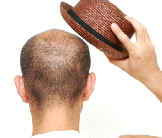
Hair-loss products were once marketed almost entirely to men, but today commercials and treatments for women are everywhere too. Hair thinning affects millions of people, and when it starts happening, most people immediately want answers — and a solution that works.
Hair loss can happen for many different reasons. Sometimes it’s simply part of aging, while other cases are connected to hormonal changes, stress, illness, nutrition, or problems involving the body’s glands and systems.
Understanding the Cause of Hair Loss
One of the most important questions to ask is:
“What happened right before the hair loss began?”
The answer often provides clues that can help identify the underlying cause and guide treatment.
Seasonal Hair Shedding
Many people notice increased hair shedding during seasonal or weather changes, especially in the fall and sometimes in the spring. In most cases, this type of shedding is temporary and linked to the body’s natural hair-growth cycle, reacting to environmental changes.
Common reasons include:
Natural seasonal shedding: Hair grows in cycles that include growth, rest, and shedding phases. Research suggests people may naturally shed slightly more hair during late summer and fall.
Cold or dry weather: Winter air and indoor heating can dry the scalp and weaken hair strands, leading to increased breakage that may appear like hair loss.
Heat and humidity: Summer weather can stress certain hair types and contribute to brittleness or breakage.
Sun exposure: Ultraviolet (UV) rays from the sun can damage both the scalp and hair shafts over time.
Physical or emotional stress: Seasonal allergies, illness, travel, temperature shifts, or lifestyle changes can trigger temporary shedding known as *telogen effluvium*.
What Is Considered Normal?
Normal hair shedding usually involves:
* Losing about 50 to 100 hairs per day
* Temporary thinning rather than permanent loss
* Even shedding across the scalp instead of bald patches
When to See a Nutritionist or Other Health Provider
It may be time to speak to someone if you notice:
* Sudden or excessive clumps of hair falling out
* Bald spots or patchy hair loss
* Thinning that continues to worsen over several months
* Itching, scaling, redness, or scalp pain
* Other symptoms such as fatigue, weight changes, or hormonal issues that may suggest thyroid problems, iron deficiency, or other medical conditions
Helpful Hair-Care Habits
Several simple habits may help reduce seasonal shedding and support healthier hair growth:
* Use gentle shampoos and avoid excessive heat styling
* Apply conditioner or scalp moisturizers during dry weather
* Eat enough protein, iron, and vitamin D
* Get adequate sleep and manage stress levels
* Avoid tight hairstyles that pull on the hair roots
Understanding the cause of hair loss is the first step toward finding the right treatment and protecting long-term hair health.
Recommended for healthy hair – Biotin Shampoo & Conditioner
- Premium-quality hair shampoo and conditioner
- Essential oils for long-lasting, invigorating scent
- Made for all hair types
- Suitable for everyday use and safe for sensitive skin
- Clinically tested: Safe for sensitive skin
Biotin see more;
Sign up to receive the MCVitamins Newsletter!
Up-to-date info on the latest health-related news happening in the world
(available in English only)