

High Blood Pressure or Hypertension
 What is hypertension or high blood pressure?
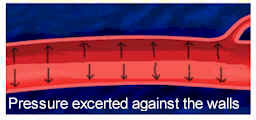
When the heart beats, it pumps the blood through the arteries and creates pressure within them. It presses the blood against the walls of these blood vessels. High blood pressure (also called hypertension) occurs when too much pressure is placed on the walls of the arteries.
Blood Vessel with Pressure against the walls. If you imagine a garden hose with a normal flow of water running through it, there is no problem. Now, if you increase the pressure on the hose by drastically turning up the amount of water rushing out, imagine pinching off spots of this hose, like constricted blood vessels.
A garden hose might endure this wear and tear, but your arteries can become extremely damaged by such constant pressure – especially if you do not provide your body with the needed nutrition to keep those arteries strong and elastic.
Chronic high blood pressure (hypertension) is defined as having an average systolic blood pressure above 140 and/or an average diastolic blood pressure above 90.
With increased pressure, the heart must work harder to pump an adequate amount of blood to all the tissues of the body (necessary to keep the body alive, as the blood brings oxygen and nutrients to all the cells in the body).
Chronic high blood pressure can have multiple causes, but the majority of causes are related to an unhealthy lifestyle directly or indirectly.
One thing that is paramount in handling blood pressure is to realize that it is not a disease. It is a symptom. Understanding that it is good to lower it with natural remedies, and then working out why you have high blood pressure and addressing that health issue. I found that I had insulin resistance, and when I remedied it with diet, my blood pressure dropped. There can be different reasons, and it is important to address it. Some of these are listed below. An important thing to know is that High Blood pressure is part of the Metabolic Syndrome. (Insulin resistance, obesity, etc., are also part of the metabolic syndrome). Also listed below, so just keep reading.
Blood Pressure Danger
The body can usually tolerate increased blood pressure for months, but eventually, there can be damage. This can cause injury to the kidneys, brain, and eyes.
Blood pressure is categorized as normal, high normal, mild, moderate, severe, and very severe. Normal pressure low is 110/70 to 140/90. High normal is considered to be 140/90, and hypertension is above 140/90. Any pressure over 180/115 is severely elevated.
Blood pressure is usually divided into two categories, designated primary and secondary in the medical community.
Primary hypertension is high blood pressure that is not due to another underlying disease; the cause has not been found. (Often if it isn’t obvious, it is considered primary. Every health condition has a cause, and the cause should be found.
Secondary hypertension: When persistently elevated blood pressure arises as a result of another underlying health problem, such as a hormonal abnormality or narrowing of the aorta, it is called secondary hypertension, as it is secondary to a known health problem.
A person may also have secondary hypertension because the blood vessels are chronically constricted or have lost elasticity.
It can be created due to a buildup of fatty plaque on the inside walls of the vessel, a condition known as atherosclerosis. Atherosclerosis and atherosclerosis are common precursors of hypertension. Plaque builds up when the blood vessels are weak, and damaged. Not having enough of the correct vitamins to make repairs, the body attempts to patch things up with plaque. Not a good substitute, but it can be the only thing available to the body that wants to survive.
This narrowing and/or hardening of the arteries makes the circulation of blood through the vessels difficult. As a result, the blood pressure becomes elevated. (For more information about the reason for this calcification, go to Recommended for Osteoporosis – it’s not only the bones that get affected)
Secondary hypertension can also be caused by poor kidney function, which results in the retention of excess sodium and fluid in the body. The increase in blood volume within the vessels causes elevated blood pressure levels. Kidneys may also elevate blood pressure by secreting substances that cause blood vessels to constrict.
High blood pressure, or Hypertension is called the “quiet killer” because it gives no sign of the undercover damage is may be doing: 1) weakening blood vessel walls 2) aneurysms, abnormal expanding or hazardous ballooning of the artery wall which, if exploded, can bring on a stroke, heart attack and internal bleeding 3) high pressure contributes to congestive heart failure and kidney damage.
High blood pressure is a concern because it not only can be directly harmful on organs such as our heart and kidneys but also is often a sign of an underlying process affecting the arteries (atherosclerosis) and is associated with a higher risk of getting a heart attack or a stroke. Hypertension is often called “the silent killer” because, most typically, there are no symptoms noticed, but sometimes, very high blood pressure can cause dizziness or headaches.
Warning signs associated with advanced hypertension may include headaches, sweating, rapid pulse, shortness of breath, dizziness, and visual disturbances.
Uncommon but significant causes of high blood pressure include problems such as kidney failure, heart failure, liver failure, sleep apnea, insomnia, and anemia.
The most common category of high blood pressure, however, is called “essential hypertension,” which basically means that it is related to a high sodium/salt diet, being overweight, being sedentary, and having unhealthy arteries. Atherosclerosis, or hardening of the arteries, typically advances with aging, and high blood pressure may be the only sign that this is developing. This means that most persons who have high blood pressure will see dramatic improvements in their health if they diligently modify their lifestyle, particularly their diet, to improve and even resolve high blood pressure as well as reduce the burden of atherosclerosis to lower their risk of a heart attack, premature disability, and death without resorting to medications.
Factors that can increase blood pressure:
Diet is very important with high blood pressure.
Water and Salt: This information really works if your problem is chronic dehydration. It’s said that 75% of the population is chronically dehydrated. See Our Need for Water
High Blood Pressure and Hormones
Emotional stress is a known contributor to many illnesses, including high blood pressure. The hormone cortisol, involved in the body’s response to stress acts to increase blood pressure.
Stress brings about other physiological changes and imbalances in hormones and substances in the body, which play a role in causing hypertension. Persons experiencing a great deal of stress are also much more likely to engage in unhealthy behaviors such as smoking, excess alcohol use, poor diets, and not exercising, all of which further predispose to the development of high blood pressure. All the stress factors involve the body using up large amounts of nutrients which in turn lead to nutritional deficiencies that cause high blood pressure. For information about Adrenal stress
What can you do?
One or more of the following major factors can boost blood pressure: cigarette smoking, poor diet, stress, and underexercising.
Salt: A generous intake of sodium, as is normally found in processed foods, actually increases the volume of blood because sodium attracts water to itself, and therefore, contributes to high blood pressure. Unprocessed salt such as sea salt or Himalayan salt should be used.
You need Potassium: the ratio of too much sodium to potassium contributes to high blood pressure. A diet high in potassium-rich foods could lower the risk of stroke by as much as 40 percent, regardless of the other risk elements such as age, blood pressure, cholesterol level, smoking, and weight. Best sources: banana, fresh broccoli, vegetables and fruits with a high potassium content: avocado, Brussels sprouts, cauliflower, potatoes (with skins), cantaloupe, dates, prunes, and raisins. Also, beans, parsley, peas, pistachios, wheat germ, sunflower seeds, chickpeas, almonds, sesame seeds and brazil nuts, peanuts, and pecans.
One study showed that when the dietary levels of potassium were high, the subjects had a lower risk of stroke, despite their blood pressure level. Other tests showed that individuals with ample amounts of potassium have low blood pressure.
Calcium deficiency: Numerous studies show that a calcium deficiency has a close relationship with high blood pressure. Calcium added to a diet has been shown to reduce blood pressure from an average of 160/94 to 128/81.
The ratio of calcium to phosphorus is ideally two to one. When the calcium ratio to phosphorus is low, hypertension results. When calcium supplement is taken with Vitamin D to make sure it is properly absorbed, blood pressure is lowered more than with calcium alone. Dosage: 800 mg of calcium to 400 I.U. of Vitamin D. Don’t overdose on the D.
If your body isn’t absorbing vitamin B, calcium cannot be used by the body and can also remain stuck in the joints or blood vessels.
Magnesium: When magnesium supply runs down, and the intake of the mineral is low, reversible high blood pressure results. Magnesium is essential to the elasticity of the blood vessels.
The Reason the loss of vital minerals by poor diet, nutritional deficiencies, being overweight, alcohol and caffeine in excess, emotional and physical stress, and being diabetic results in these small muscles tensing up.
When the small muscles of the blood vessels tense up, the arteries become narrower, more rigid, and less flexible.
Since blood pressure is affected by the small smooth muscles that line the inside walls of your blood vessels, the reason that these muscles tense up needs to be addressed.
What are the vital nutrients that the body needs?
Magnesium is one of the important nutrients needed, and often a magnesium deficiency is hard to fix. It is hard to get enough magnesium in supplement form.
Magnesium is an element that is one of the main building blocks of the body. It is involved in hundreds of body and cellular processes. Yet the great majority of Americans are deficient in magnesium.
Magnesium must be combined with other minerals to be most effective in helping support healthy blood pressure levels. It is essential for cells to maintain proper balances of other minerals such as potassium, sodium, and calcium. When cells are deficient in magnesium, this balance is disrupted.
Supplementing in anything but food and whole food vitamins is important. Most calcium, magnesium, potassium, etc. vitamins are made in a laboratory and not really utilized by the body.
Overweight: Numerous studies states that there is a direct relationship between increased body weight and blood pressure. As one loses excess weight, the blood pressure reduces proportionately. Such weight and blood pressure reduction is independent of how much sodium one eats. But you need to find out why you are overweight, as reversing diabetes and other metabolic disorders will lower blood pressure.
Sugar: Merely by giving sugar to lab animals and humans, you can raise blood pressure at will. It is believed that sugar contributes to sodium retention, which, in turn, raises blood pressure.
Heavy eating: Repetition of starvation followed by overeating has been known to lead to hypertension.
Water: numerous studies reveal that soft water contributes to hypertension and heart attacks. Switching to bottled water helps.
High Blood Pressure Natural Treatment:
Book
The End of Heart Disease – Paperback by Joel Fuhrman, M.D.
Reverse Heart Disease, Normalize Blood Pressure and Lower Cholesterol
Dr. Fuhrman offers a detailed nutritional plan to reverse heart disease, normalize blood pressure and cholesterol, and protect against heart attacks. In his New York Times bestseller The End of Heart Disease, Dr. Fuhrman explains the futility of traditional medical care for heart disease. He offers compelling and irrefutable scientific evidence documenting how the right diet can be 100 times more effective at preventing heart disease and strokes, and reveals the documented dangers of using drugs instead of eating right.
An Analysis of Popular Diets, A Meal Plan and Recipes Included
Dr. Fuhrman analyzes a number of popular diets, such as Paleo, Mediterranean, DASH and others, that claim to claim to offer cardio benefits – and explains why they don’t offer effective protection. The End of Heart Disease will make you the expert, and motivate you to get well and stay well forever.
The End of Heart Disease provides a two-week menu plan and 95 heart-healthy recipes. The book also includes a Radical Weight Reduction Menu, designed for those who need urgent nutritional intervention.
Learn More and Order this book End of Heart Disease
Recommended by Dr. Fuhrman, M.D. DHA & EPA – Purity – Omega 3
Include Scientific Studies & Customer Reviews
STILL HAVE QUESTIONS? CALL (818) 252-1038 OR EMAIL
AND GET YOUR QUESTIONS ANSWERED.
Sign up to receive the MCVitamins Newsletter!
Up-to-date info on the latest health-related news happening in the world
(available in English only)