

Salt – why do we need salt?
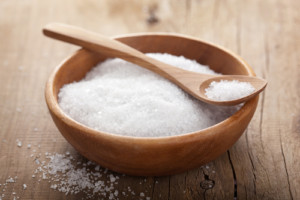 Salt, or sodium, is an electrolyte that your body needs. Electrolytes are minerals that dissolve in water and can carry electrical charges. Pure water does not conduct electricity, but water containing salt does.
The three major electrolytes are sodium, potassium, and chloride. Other body electrolytes are magnesium, calcium, zinc, and many others in very small amounts (called trace minerals). They are electrically charged so they can carry nutrients into and out of your cells. They also carry messages along your nerves and help control your heartbeat.
Since your body is made mostly of water, these minerals can be found everywhere in your body. They are inside your cells, in the spaces between your cells, in your blood, your lymph, and everywhere else. Since they have an electrical charge, they can move through your cell membranes and thus carry other nutrients with them into the cells and waste products and excess water out of the cells.
Potassium & Sodium
Potassium and sodium are very closely linked. To keep your body healthy, your cells need to have a lot of potassium inside and a lot of sodium in the fluid outside. To keep the balance, potassium and sodium constantly move back and forth through the cell membrane.
The correct balance
Cells need the correct balance of potassium and salt. The ratio that your body maintains is about three parts potassium and one part sodium. Thus, the problem of too much sodium (salt) cannot be overstated. If the body becomes oversupplied with sodium, the body excretes more sodium. If the kidneys cannot secrete it, it causes the vascular system to constrict, and then the body dilutes the extracellular sodium in the body by increasing the fluid volume in the body. Thus, you get fluid retention.
The solution is to increase the potassium intake and decrease the sodium.
Although some sodium is essential for survival, inadequate sodium intake is a rare problem. We need less than 500 milligrams of sodium a day to stay healthy. This is enough to accomplish all the vital functions that sodium performs in the body – helping maintain normal fluid levels, healthy muscle function, stomach & nerve function, and proper acidity (called pH) of the blood. As we said, excessive sodium intake can cause fluid to be retained in the tissues, which can lead to hypertension (high blood pressure) and can aggravate many medical disorders, including congestive heart failure, certain forms of kidney disease, and premenstrual syndrome (PMS).
If you have adrenal fatigue, you will actually crave salt and can benefit from taking salt and limiting the amount of potassium. See Adrenal Fatigue
Diuretics
Taking diuretics, however, may lead to a salt deficiency. Symptoms of sodium deficiency can include abdominal cramps, anorexia, confusion, dehydration, depression, dizziness, fatigue, flatulence, hallucinations, headache, heart palpitations, impaired sense of taste, lethargy, low blood pressure, memory impairment, muscular weakness, nausea and vomiting, poor coordination, recurrent infections, seizures, and weight loss. Excessive sodium intake can result in edema (swelling of tissues), high blood pressure, potassium deficiency, and liver and kidney disease.
Losing Salt?
When you sweat a lot, it is sometimes thought that you need to take extra salt, however, most of us get plenty of salt in our diet. When you are excessively sweating due to exercise and hot weather, you are using a lot of electrolytes.
Loss of electrolytes
Diarrhea or vomiting can also cause you to quickly lose electrolytes (especially potassium) with the fluid. You need to replace the fluids and electrolytes quickly. You can read about Electolytes
Do we eat too much salt?
The average American consumes 15 lbs. of salt per year – the weight of an average bowling ball. Most authorities agree that salt should be limited and that it plays a role in cases of hypertension. The sodium found in salt may also be detrimental to your bones. Consuming more than 2500 mg of sodium per day will increase your calcium excretion in your urine, leading to further bone loss. One study found that cutting sodium intake in half was as beneficial as getting an extra 891 mg of calcium per day.
But I crave salt….
A craving for salty foods may be a symptom of adrenal exhaustion, especially in people who live fast-paced, stressful lives. If this is the case, it is recommended that eating food high in vitamin C is helpful (citrus, pepper and broccoli) and potassium (parsley, garlic, spinach and carrot). Salt cravings can also be a symptom of adrenal fatigue.
Salting your food
If you taste your food and find it needs something, remember most food has enough naturally occurring salt to make it palatable – try adding spices, seasonings and herbs to your food in place of table salt. You might also want to try potassium salt as opposed to the more common sodium salt.
Salt in Processed Foods
 It is not only the salting of foods that increases your salt intake, but also the amount of salt that is present in processed foods. Take a look at the packaging of the canned goods, frozen foods, ketchup, soy sauce, baked goods, etc. Luncheon meats and snack foods are also high in sodium content. Get a hold of the nutritional guides from your local fast food restaurant. The salt content is extremely high. Even sodium-free or salt-free labels can have up to 5 mg of salt per serving. The labels mean roughly as follows:
Unsalted, no salt added, without added salt – No salt has been added during processing, even though salt is normally added to that food.
Reduced or less sodium – At least 25 percent less sodium per serving than the food normally has.
Lightly salted – At least 50% less sodium per serving than the food normally has.
Light in sodium – At least 50% less sodium per serving than the food normally has.
Low sodium – 140 mg or less per serving.
Very low sodium – 35 mg or less per serving.
Sodium-free or salt-free – Less than 5 mg per serving
What to do?
As we said earlier, the proper balance of potassium and sodium is necessary for good health.
One solution if you eat processed foods, is to also eat foods high in potassium, which can offset the sodium overload. Potassium supplements are also an option.
Remember, you have to take in 3 times the amount of potassium as the amount of salt (sodium) that you take. Remember that when you see how much potassium is in the processed food you eat.
RECOMMENDED
Eat lots of green leafy vegetables and:
Potassium function:
• Potassium is essential for maintaining proper fluid balance, nerve impulse function, muscle function, and cardiac (heart muscle) function. Potassium sources:
• Potassium is found in bananas, raisins, apricots, oranges, avocados, dates, cantaloupe, watermelon, prunes, broccoli, spinach, carrots, potatoes, sweet potato, winter squash, mushrooms, peas, lentils, dried beans, peanuts, milk, yogurt, and lean meats.
Many foods are naturally high in potassium. –
1 can (7 oz./ 200g) sockeye salmon – 1,391mg
1 medium California avocado – 1,097mg
1/2 package (5 oz./ 140g) spinach – 824mg
1 medium stalk of broccoli – 526mg
1/3 cup natural sunflower seed kernels – 331mg
1/2 cup canned diced tomatoes – 290mg
1 Tbsp. Dutch process unsweetened cocoa powder – 254mg
2 Tbsp. peanut butter – 214mg
1/8 tsp. potassium-salt substitute – 325 to 500mg
Recommended:
Electrolytes including Potassium
Dr. Berg’s Electrolytes has the most potassium of any electrolyte power mix!
Dr. Berg’s Electrolyte Powder is the perfect combination of electrically conducting minerals and trace minerals. Electrolytes, when dissolved in water, create charged elements ready to hydrate the body cells and energize the body. These active minerals assist in nerve conduction as well as muscle contraction and relaxation.
You can learn more about this supplement at Dr. Berg’s Electrolytes. This page includes 4 educational videos about electrolytes and their need for your health.
Electrolytes: Rehydrate & Rejuvenate! As well as Energize & Recharge Your Cells!
Learn more at Dr. Berg’s Electrolytes
Warning! If you take a prescription diuretic, talk to your doctor about potassium in your food or from supplements. Be sure to talk to your doctor. People with kidney disease need to follow their doctor’s instructions, which often mean avoiding sodium and potassium. Check with your medical doctor.
Sign up to receive the MCVitamins Newsletter!
Up-to-date info on the latest health-related news happening in the world
(available in English only)