

Arthritis and It’s Joint Inflammation
Arthritis is the inflammation of one or more joints. It means that the joint is painful, and there is swelling, stiffness, redness, possible deformity and/or a lack of ability to have the full use of the affected joint. It is joint inflammation.
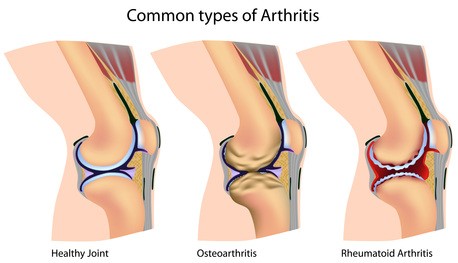
Numerous forms of arthritis exist, but the most common two are osteoarthritis, and rheumatoid arthritis. These conditions can affect the body’s movable joints in the knees, wrists, elbows, fingers, toes, hips, and shoulders as well as the bones of the spine on the neck and back.
 What is arthritis?
A joint is where two bones come together. Their surfaces are covered with a layer of smooth, rubbery, blue-white tissue called cartilage. A fluid-filled capsule made up of a tough, fibrous tissue called ligaments surrounds these bones and cartilage. Thanks to this liquid and the cartilage that covers the end of these bones, the bones within the joint normally glide smoothly past one another.
If anything goes wrong with any of these parts of a joint, arthritis can result. The swelling and deformity that takes place in arthritic joints can result from the thickening of the membrane, the fluid, enlargement of the bones, or some combination of these factors.
Osteoarthritis is caused when the cartilage that lines the surface of the joints wears away. And you’re left with worn surfaces. As a result, the joints become stiff and painful. The joints make popping, clinking and banging noises.
Rheumatoid arthritis involves inflammation and swelling of the joints rather than a wearing away of the cartilage. It is an autoimmune disease where the body’s immune system reacts against itself and the fluid that lubricates the joints become inflamed. The cartilage and tissues in and around the joints are damaged or destroyed. Often the bones are destroyed as well. The body replaces this damaged tissue with scar tissue, causing the normal spaces within the joints to become narrow and the bones to fuse together. Rheumatoid arthritis affects all the body’s joints. Joints affected make noises like crinkling cellophane.
Gout is an example of an acute form of inflammatory arthritis. Acute means something that comes on suddenly and is of limited duration. Deposits of crystallized uric acid form in the joint causing swelling, redness and a sensation of heat and extreme pain. It usually affects the big toe, but other joints may be affected as well. One of the indicators of gout is raised uric acid levels. Looking for the reason one has raised uric acid levels should lead to the actual cause that you have a problem.
Arthritis can also be caused by a bacterial, viral or fungal infection of a joint. Usually, the infecting organism travels to the joint through the bloodstream from an infection elsewhere in the body, but injury or even surgery can result in joint infection as well. Symptoms not only include the pain and tenderness affecting the joint but also include symptoms of systemic infections such as fever, chills and body aches.
Other forms of arthritis are spondyloarthropathies, including psoriatic arthritis, ankylosing spondylitis, Reiter’s syndrome (a group of disorders that tend to affect the spine), systemic lupus, juvenile arthritis, infectious arthritis, and Kawasaki syndrome.
Standard Treatment:
Most physicians feel that there is no cure for arthritis and thus most of the treatment focuses on reducing the symptoms. The most frequent conventional treatment involves the use of a drug called a nonsteroidal anti-inflammatory drug (NSAIDs).
These drugs help reduce the inflammation and pain associated with arthritis. They alleviate the symptoms.
However, some medications such as ibuprofen or naproxen create stomach inflammation and have other significant side effects. They can cause stomach ulcers, bleeding in the digestive tract, liver damage, or kidney impairment – especially in the elderly population. Also by irritating and inflaming the lining of the gastrointestinal tract, they may make your intestines more permeable to food allergens and different bacteria.
Aspirin is an old standby used in the treatment of arthritis. In fact, Aspirin was created over 100 years ago primarily as a treatment for arthritis. It is recognized as one of the least expensive and most effective medications for the treatment of many forms of arthritis. It works well as an anti-inflammatory and pain-relieving substance, but it too is associated with gastrointestinal problems. If you chose to take aspirin, note that it does deplete your body and create nutritional deficiencies. See Aspirin
There are natural anti-inflammatory supplements that do not have side effects.
Foods to eat and not eat when suffering from arthritis:
Avoid foods you are allergic to. (For figuring out what they are see our Food Allergy article)
Optimize your intake of fresh fruit, vegetables, whole grains and fiber-containing beans. Switching to a vegetarian-like diet may help reduce morning stiffness, joint pain, and swollen joints.
Things to do that will help you manage
Ideas to help you overcome daily challenges when the pain is
difficult to bear:
1) Whether in the workshop or in the kitchen, use tools with larger, easier to grip handles, preferably with non-slip handles. Even cooking utensils (including forks, knives, and spoons) can be purchased with larger handles for easier control.
2) Convert doorknobs and kitchen & bathroom taps so that they use levers instead of harder to grip round knobs.
3) Use raised seats, they’re easier to get up from and put
less strain on knee joints.
4) Instead of using your fingers, use the palms, forearms or elbows. Close plastic containers with your elbow.
5) Place a strap on refrigerator doors and cupboards. To open,
place your forearm through the strap and pull.
6) To wash dishes, use a scrubber that fits over your hand and keeps your fingers straight.
7) Use your hip to close kitchen drawers.
8) Carry your purse on your forearm or use a shoulder bag to
avoid putting the strain on your hand.
9) Use splints or wraps that support the wrist, thumbs, and fingers.
10) Use pipe insulation or buy rubber “grips” to put around
pens or spoons for easier grip.
Exercise
If your joints are swollen and painful, you’re probably not going to be in the mood for exercise, but physical activity can help prevent the swelling, stiffness, and pain in the joints. Remember to stretch especially before exercise. Regular walking, stretching, and weightlifting can reduce knee joint pain and improve the range of motion.
Get in the habit of walking, swimming, cycling and stretching at least three days per week for 30 minutes per session. If you notice you’re too stiff in the morning, do your exercise later in the afternoon. Stretch before you go to sleep. Get involved in either Tai Chi or yoga, both of which are wonderful for your joints. If you have arthritis in your hands or wrists, buy a sponge ball or putty to exercise your fingers. You may want to soak your hands in warm water after getting up in the morning.
Massage Therapy is one of the oldest forms of pain management for arthritis. The amount of pressure that is applied can be adjusted depending on the level of pain. Avoid massaging directly on top of an inflamed joint as this may be too painful for the area. For best results massage just above and just below the joint. Blending essential oils like eucalyptus, lavender, peppermint, rosewood, and wintergreen with a sweet almond oil carrier will make a welcome addition to your massage.
Natural Arthritis Treatments
There are many different vitamins, herbs and other products that have been known to help arthritis. Each person is different and taking recommended vitamins is important, but there are herbs that might also help. We’ve made a list of all the different substances that have been known to relieve arthritis. (below)
With herbs, check with your pharmacist if you are on medications. Here is an article on Will it Interfere with the Other Things I’m Taking?
Nutritional Supplements
There are nutritional supplements that the body needs if one has arthritis. Below is a list of the vitamins that are needed for your body’s nutritional needs.
Because arthritis increases the amount of free radicals produced in your body (which can then damage your joints and other tissues), antioxidants should be an important part of the arthritis treatment. (For more information see article Free Radicals and Antioxidants).
Vitamin D – Vitamin D addresses inflammation
Vitamin C is helpful in the formation of collagen. Vitamin C has an anti-inflammatory effect, can gobble up those free radicals and might encourage the growth of new cartilage. It also works together with vitamin E to protect cartilage from breaking down. We know of an excellent Vitamin C. This is a whole food nutrient that your body recognizes and uses as food. For more information go to Vitamin C
Can Chicken Soup Cure Arthritis – yes, its been found scientifically. Dr. Berg explains it. Safe Solution to handle the inflammation. He even has the studies listed under the video
Recommended:
Arthritis Pain Relief – All-Natural Pain Relief Cream is rubbing into pain areas and works well with Arthritis Pan
The RHP® Joint & Inflammation Support Formula contains vitamins, botanical extracts, enzymes and fatty acids that have been found to support the body’s natural inflammation response in the joints and other areas of the body. To Read more about it and to Order
STILL HAVE QUESTIONS? EMAIL AND GET YOUR QUESTIONS ANSWERED.
Sign up to receive the MCVitamins Newsletter!
Up-to-date info on the latest health-related news happening in the world
(available in English only)