

Summer Health
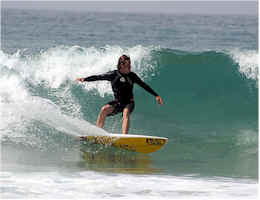 Prevent Sunburn:
I know the first thing people do when they go out in the sun is slater on a sunscreen. Most health experts recommend reapplying sunscreen every 2 or 3 hours.
However, you should pay attention to what chemicals are in the sunscreen you chose to rub into your skin. It gets absorbed and may be full of toxins that would counter the positive affects you are trying to achieve
If you want to use a sunscreen, find a natural formula that is not like most sunscreens which are laced with chemicals that are hormone disruptors and damage coral reefs. I think that you can find “essntial oil” sunscreens. But check around for one that you feel comfortable with. We recommend one below.
Heat-Related Illnesses
Prevention:
The following tips can help prevent a heat-related illness.
1) Drink plenty of water, especially in hot weather. Drink extra water if you sweat a lot. If your urine output decreases, drink more fluids.
2) Increase your fluid intake when playing sports.
Drink up to 24 fl oz (709.78 mL) of fluid 2 hours before the event.
Drink another 8 fl oz (236.59 mL) of water 10 to 15 minutes before the start of the event.
Drink 8 fl oz (236.59 mL) to 12 fl oz (354.88 mL) of water every 20 to 30 minutes, even if you don’t feel thirsty, because it will help prevent dehydration. Drinking during a sports event replaces about two-thirds of the water your body loses through sweat.
3) Schedule sports events during the cooler times of the day to reduce the risk of getting a heat-related illness. Medical aide stations should be available at all sports events.
4) If you are sweating heavily, drink a re-hydration drink to replace lost salt (sodium) and other minerals (electrolytes).
5) Use caution during your physical activity in the heat if you have a condition or disease that may increase your risk of a heat-related illness.
Things to avoid
1) Avoid spending too much time in the sun.
2) Avoid strenuous activity in hot, humid weather and during the hottest part of the day, particularly between 10 a.m. and 4 p.m.
3) Avoid alcoholic beverages in extreme heat because alcohol can cause dehydration.
RECOMMENDED:
We found a product that will replenish the body’s electrolytes, it is easy to take, and is also easy to carry with you
Ways to acclimate to hot environments
Before you travel to or work in a hotter environment, use gradual physical conditioning to acclimate to a hot environment. This usually takes 8 to 14 days for adults. Children require 10 to 14 days for their bodies to acclimate to the heat.
If you travel to a hot environment and are not accustomed to the heat, cut your usual outside physical activities in half for the first 4 to 5 days. Once your body adjusts to the heat and level of activity, gradually increase your activities.
Heat safety measures
Be aware that when the outdoor humidity is greater than 75%, the body’s ability to lose heat by sweating is decreased. Other methods of keeping cool need to be used. The National Weather Service lists a heat index each day in the newspaper to alert people of the risk for a heat-related illness in relation to the air temperature and humidity for the day. Direct exposure to the sun can increase the risk for a heat-related illness on days when the heat index is high.
Practice heat safety measures when you are physically active in hot weather to reduce the risk of getting a heat-related illness. This is especially important for outdoor workers and military personnel.
Wear lightweight, light-colored, loose-fitting clothing in hot weather, so your skin can cool through evaporation. Wear a wide-brimmed hat or use an umbrella to shade yourself in hot, sunny weather.
Stay in air-conditioned areas during hot weather as much as possible. In heat-wave conditions, spending more time in an air-conditioned place decreases the risk of heat-related illnesses.
Maintain good indoor ventilation by using a fan or air-conditioning.
Take a cool bath or shower once or twice a day in hot weather.
Health tips
If you feel nauseated, dizzy, or weak in a hot environment, sit or lie down quickly to decrease the chance of fainting.
Encourage anyone standing for any length of time in a hot environment to flex their leg muscles often while standing. This prevents blood from pooling in the lower legs, which can lead to fainting. Wearing support hose to stimulate circulation while standing for long periods of time will help prevent heat edema from occurring.
Be aware of the symptoms of heat-related illnesses and know appropriate treatment measures. Do not become dehydrated. The amount and color of your urine can indicate whether you are properly hydrated. You should urinate every 2 to 4 hours during an activity if you are staying hydrated.
If you take medications regularly, ask your health professional’s advice about hot weather activity and your risk for getting a heat-related illness.
Lifestyle risk factors
Those at risk for heat-related illnesses include:
Firefighters and hazardous waste handlers who wear protective clothing that does not allow sweat to evaporate (vapor-impermeable clothing) in hot weather.
Athletes (such as wrestlers, jockeys, boxers, and body-builders) who purposely try to lose weight by sweating.
People who travel or move from a cool or temperate environment to a hot environment without acclimating their bodies. For example, people from cool climates who move to warm climates for the winter months have an increased chance of developing a heat-related illness.
People who have suffered heat stroke in the past are more bothered by heat in the first few months following the illness, but they do not suffer long-term effects.
Recommended:
Electrolytes including Potassium
Dr. Berg’s Electrolytes has the most potassium of any electrolyte power mix.
Dr. Berg’s Electrolyte Powder is the perfect combination of electrically conducting minerals and trace minerals. Electrolytes when dissolved in water create charged elements ready to hydrate the body cells and energize the body. These active minerals assist in nerve conduction as well as muscle contraction and relaxation.
You can learn more about this supplement at Dr. Berg’s Electrolytes. This page includes 4 educational videos about electrolytes and their need for your health.
Electrolytes: Rehydrate & Rejuvenate as well as Energize & Recharge Your Cells.
Learn more at Dr. Berg’s Electrolytes
Summer Sunscreens & Moisturizers using essential oil blends instead of chemicals.
Healthy & Fit Products
Search on Sunscreen (left) and click on sunscreen. There are other products for your summer right underneath (includes SPF 10, SPF 50, After Sun Spray, Insect Repellent and Cooling Mist)
ATHLETES:
Nutrition: Athletes face 8 nutritional challenges: Core nutrition, muscle building, energy, reaction time, hormone balance, recovery, repair and rehydration.
Nature will provide effective and powerful alternatives to dangerous “performance enhancing drugs.” The choice becomes clearer when you compare the long term muscle fitness and health building effects of whole food and herbal supplements versus the well-documented health issues often associated with the artificial methods.
Athletes face 8 nutritional challenges. Go to Athletes Products
Sign up to receive the MCVitamins Newsletter!
Up-to-date info on the latest health-related news happening in the world
(available in English only)