

Risk Factors for Neuropathy
What are the Factors that can Cause Neuropathy or Nerve Damage – the Risk Factors
How do you get neuropathy?
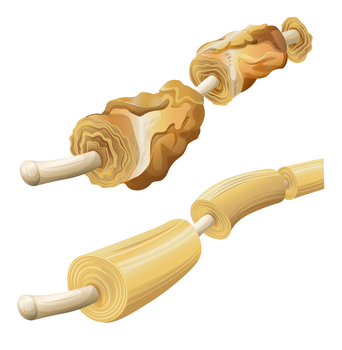 Neuropathic Pain and other symptoms of nerve damage can be caused by many things. The damage is caused by the breakdown of the myelin sheath. (see photo)
Often it is diabetics that suffer from this type of nerve pain due to the high blood sugars of the disease damaging the nerves, and it is a major complication of the disease.
However, there are a lot of causes for nerve damage, and we have listed them below (alphabetically).
It can sometimes be a combination of reasons. It is an acquired disease.
- Accidents and falls where nerves get damaged. – See Trauma
- Agent Orange herbicide was dumped in Vietnam between 1962 and 1971 to kill jungle foliage with the aim of exposing enemy targets.
This toxin has been reported to cause health problems, including nerve damage.
AIDS, see infectious disease.
Alcoholism – Alcohol is harmful to your nerves and causes serious damage to the nerves, worsening the symptoms of neuropathy. Thiamine (B1) deficiency, in particular, is common among people who use alcohol because alcohol contributes to poor dietary habits and other deficiencies. Thiamine deficiency can cause a painful neuropathy of the extremities. Some researchers believe that excessive alcohol consumption may, in itself, contribute directly to nerve damage, a condition referred to as alcoholic neuropathy. - Amyloidosis (metabolic disorder) – a disorder where a protein called amyloid is deposited in tissues and organs. Amyloidosis can affect peripheral sensory, motor, or autonomic nerves, and deposition of amyloid leads to degeneration and dysfunction in these nerves. See Amyloidosis
- Anemia – Vitamin Deficiencies. A diet that lacks iron, B9 (folate), or vitamin B12 can prevent your body from making enough red blood cells. A deficiency of iron can affect nerve conduction. A lack of B12 damages the myelin sheath that surrounds and protects nerves. Without this protection, nerves cease to function properly, and conditions such as peripheral neuropathy occur. Even B12 deficiency that is relatively mild may affect the nervous system and the proper functioning of the brain. The nerve damage caused by a lack of B12 may become permanently debilitating if the underlying condition is not treated.
Antibiotics – certain antibiotics have been known to have a side effect of neuropathy. The FDA even warned physicians about this regarding Fluoroquinolones. Fluroquinolones are a class of antibiotics with a broad spectrum of antimicrobial activity. Fluoroquinolones are – levofloxacin (Levaquin), ciprofloxacin (Cipro), moxifloxacin (Avelox), norfloxacin (Noroxin), ofloxacin (Floxin), and gemifloxacin (Factive). The topical fluoroquinolones aren’t believed to cause this problem. - Autoimmune responses – when the body attacks its tissues. (such as occurs in Guillain-Barré syndrome)
Autoimmune disorders – Viral and bacterial infections can also cause indirect nerve damage by provoking conditions referred to as autoimmune disorders, in which specialized cells and antibodies of the immune system attack the body’s own tissues. These attacks typically cause destruction of the nerve’s myelin sheath or axon (the long fiber that extends out from the main nerve cell body). - Bacterial Infections– Lyme disease, diphtheria, and leprosy are bacterial diseases characterized by extensive peripheral nerve damage. Diphtheria and leprosy are now rare in the United States, but Lyme disease is on the rise. It can cause a wide range of neuropathic disorders, including a rapidly developing, painful polyneuropathy, often within a few weeks after initial infection by a tick bite. See autoimmune responses.
- Bariatric Surgery – postoperative nerve damage, also known as peripheral neuropathy (PN). Nutritional deficiencies can occur following this procedure due to patients experiencing more weight loss than expected and postoperative complications. See Surgery
- B1, B6, Deficiency & B12 Deficiency – See Vitamin Deficiencies
- B6 Toxicity – it is believed that too much, over 100 mg/day of B6, causes neuropathy. You should note that when you overwhelm the system with only one B vitamin, it can cause a deficiency of other vitamin Bs. The body needs to have all the B vitamins working together, and thus will rob the body of its stores of the B vitamins you get in your food to do this. Thus, using up the other B vitamins to balance with the B6. B1 & B12 are important for nerve function, and a lack of these can cause neuropathy.
- Bell’s Palsy results from upper respiratory infections, viral infections such as those caused by infectious mononucleosis, herpes, mumps, HIV, and bacterial infections such as Lyme Disease. Facial weakness from Bell’s palsy is due to the facial nerve, which is a nerve that controls the muscles on the side of the face, and it is a form of peripheral neuropathy.
- Bruxism – teeth grinding
- Cancer, such as multiple myeloma, damages nerves by directly invading or putting pressure on them or by triggering an autoimmune reaction. A tumor can press on a nerve or entrap a nerve and cause damage. See Compression neuropathy
- Cancer Treatments – See Chemotherapy Treatments and Radiation Therapy
- Carpal tunnel syndrome – Carpus comes from the Greek word for wrist. The wrist is surrounded by a band of fibrous tissue that normally functions as a support for the joint. The tight space between this fibrous band and the wrist bone is called the carpal tunnel. The median nerve passes through the carpal tunnel to receive sensations from the thumb, index, and middle fingers of the hand. Any condition that causes swelling or a change in the position of the tissue within the carpal tunnel can squeeze and irritate the median nerve. Irritation of the median nerve in this manner causes tingling and numbness of the thumb, index, and middle fingers, a condition known as “carpal tunnel syndrome.” Thus, it can cause nerve damage.
- Celiac Disease is an autoimmune problem and can cause neuropathy
- Charcot-Marie-Tooth disease – it is believed to be an inherited neuropathy
- Post Chemotherapy Treatment (See Chemo-Induced Side Effects for other side effects). See Chemotherapy-Induced Peripheral Neuropathy
- Cholesterol-lowering drugs such as Lipitor. These blocks are cholesterol, which the nerves are made of.
- Chronic kidney failure – Chronic kidney or renal failure (uremia) occurs when the kidneys gradually fail to function properly. When the kidneys are impaired, fluids and waste products accumulate in the body. In some cases, kidney failure can cause peripheral neuropathy. Many conditions can cause kidney failure; the most common are diabetes and high blood pressure.
- Compression of nerves (called compression neuropathy) – pressure on an area. It is an inability to transmit nerve impulses because compression has damaged nerve fibers either directly or indirectly by restricting their supply of oxygen. Compression can come from herniated discs in the spine, osteoarthritis can cause bone spurs that can compress a nerve, severe muscle injuries can compress nerves, and even prolonged use of tight clothing ,such as shoes or skinny jeans. It all depends on the nerve compressed. See the neuropathy of Skinny jeans this is called Meralgia paresthetica (also called Bernhardt Roth Syndrome.
- Connective tissue disease (e.g., rheumatoid arthritis, lupus, sarcoidosis). Connective tissue disorders and chronic inflammation can cause direct and indirect nerve damage. When the multiple layers of protective tissue surrounding nerves become inflamed, the inflammation can spread directly into nerve fibers. Chronic inflammation also leads to the progressive destruction of connective tissue, making nerve fibers more vulnerable to compression injuries and infections. Joints can become inflamed and swollen and entrap nerves, causing pain.
- Crohn’s Disease – inflammatory bowel disease, see inflammation
- Cryoglobulinemia (which literally means “cold antibody in the blood”)
- Cytomegalovirus (CMV) – see viral infections
- Denture Cream use
- Dental Surgery, which includes dental procedures and dental implants.
- Diabetes mellitus – due to high blood sugar damaging the nerves – the higher-than-normal sugar levels create nerve damage. Chronic neuropathy can start when the nerves are deprived of oxygen or anoxia. See Diabetic Nerve Pain
- Diabetic Drug – Metformin – Metformin has been known to deplete the body of B12. A B12 Deficiency is a cause of nerve damage. See articles below under Metformin
- Diet – lack of B vitamins necessary for nerve function and preservatives, etc. in processed foods.
- Diphtheria – See Bacterial Diseases
- Drugs – Certain anticancer drugs, anticonvulsants, antiviral agents, phenytoin, some antibiotics (such as chloramphenicol, nitrofurantoin, levofloxacin, and sulfonamides), some sedatives (such as barbital and hexobarbital), and statin drugs have side effects that can include peripheral nerve damage, thus limiting their long-term use. Metformin is a drug associated with B12 deficiency and thus nerve damage. (see Metformin below) To check on any medications and if they cause nerve damage, go to www.drugs.com or www.rxlist.com. Note: neuropathy can be defined as nerve pain, paraesthesia, tingling, and numbness, etc. See Medications for more info.
- Epstein-Barr virus – See Infections
- Erectile Dysfunction Drug – there is some evidence it might create optic neuropathy. See article
- Excitoxins – additives to certain processed food products that stimulate hunger and disrupt normal appetite control. See below – Foods that are Toxic
- Foods that are toxic – Some foods and food additives have a direct toxic effect on the gastrointestinal tract. Food allergies and intolerance can create nerve pain – neuropathy. MSG is known to cause nerve damage.
- Fungus – fungal infections or just exposure to fungus/mold can cause nerve damage – more info see Know the Cause website for sources of fungus, including the food you eat.
- Gluten intolerance – See Autoimmune Responses
- Growth Hormone, Overproduction – See Metabolic Disorder
- Guillain-Barré Syndrome / Acute Inflammatory Demyelinating Polyneuropathy (AIDP) It’s a rare inflammatory disorder of the nerves outside of the brain and spinal cord. The syndrome is characterized by a rapid onset of numbness, weakness, and often paralysis of the body. It is an autoimmune disorder usually preceded by a viral infection. There is a suspected link between the Zika virus and the onset of Guillain-Barré Syndrome (GBS).
- Heavy Metal Toxicity – especially lead, arsenic & mercury. There have been a number of people with MS who tested positive for heavy metal toxicity and found they had a misdiagnosis as they got better.
- Hepatitis B – see Infections
- Hepatitis C – see Infections
- Hereditary – there is a belief that neuropathy can be inherited. A closer look at the other causes on this page might result in an actual cause. Sometimes heredity is too easy to assign.
- Herniated disc – most compressed nerves will cause inflammation, but will get better. This is more likely to cause problems when the nerve is squashed between the disc and an adjacent bone.
- Herpes Zoster (Shingles), see viral infections
- HIV/AIDS – The human immunodeficiency virus (HIV), which causes AIDS, also causes extensive damage to the central and peripheral nervous systems. The virus can cause several different forms of neuropathy, each strongly associated with a specific stage of active immunodeficiency disease. A rapidly progressive, painful polyneuropathy affecting the feet and hands is often the first clinically apparent sign of HIV infection. – see viral infections
- Hormonal imbalances – can disturb normal metabolic processes and cause neuropathies. For example, an underproduction of thyroid hormones slows metabolism, leading to fluid retention and swollen tissues that can exert pressure on peripheral nerves. Overproduction of growth hormone can lead to acromegaly, a condition characterized by the abnormal enlargement of many parts of the skeleton, including the joints. Nerves running through these affected joints often become entrapped.
- Hypothyroidism – See Metabolic disorders
- Idiopathic when doctors cannot seem to find a specific cause, they call it idiopathic neuropathy.
- Immune System – See Inflammation
- Immunization – there are sometimes side effects from inoculations, nerve damage being one of them. Here is an article about this Neurotoxins side effect, nerve damage.
- Inflammation – Chronic inflammation also leads to the progressive destruction of connective tissue, making nerve fibers more vulnerable to compression injuries and infections. Joints can become inflamed and swollen and entrap nerves, causing pain. Some neuropathies are caused by inflammation resulting from immune system activities rather than from direct damage by infectious organisms. Inflammatory neuropathies can develop quickly or slowly, and chronic forms can exhibit a pattern of alternating remission and relapse. Acute inflammatory demyelinating neuropathy, better known as Guillain-Barré syndrome, can damage motor, sensory, and autonomic nerve fibers. Most people recover from this syndrome, although severe cases can be life-threatening. Chronic Inflammatory Demyelinating Polyneuropathy (CIDP), generally less dangerous, usually damages sensory and motor nerves, leaving autonomic nerves intact. Multifocal motor neuropathy is a form of inflammatory neuropathy that affects motor nerves exclusively; it may be chronic or acute.
- Infections – involving a toxin produced by bacteria or viruses.
- Infectious disease (e.g., Lyme disease, HIV/AIDS, hepatitis B, coronavirus, leprosy, etc.) Infections and autoimmune disorders can cause peripheral neuropathy. Viruses and bacteria that can attack nerve tissues include herpes varicella-zoster (shingles), Epstein-Barr virus, cytomegalovirus, and herpes simplex-members of the large family of human herpes viruses. These viruses severely damage sensory nerves, causing attacks of sharp, lightning-like pain. Postherpetic neuralgia often occurs after an attack of shingles and can be particularly painful.
- Inherited forms of peripheral neuropathy – These are thought to be caused by inborn mistakes in the genetic code or by new genetic mutations. This theory says that some genetic errors lead to mild neuropathies with symptoms that begin in early adulthood and result in little, if any, significant impairment. The more severe thought to be hereditary neuropathies often appear in infancy or childhood. The most commonly cited inherited neuropathies are a group of disorders collectively referred to as Charcot-Marie-Tooth disease. These neuropathies result from some flaw in genes responsible for manufacturing neurons or the myelin sheath. Hallmarks of typical Charcot-Marie-Tooth disease include extreme weakening and wasting of muscles in the lower legs and feet, gait abnormalities, loss of tendon reflexes, and numbness in the lower limbs. The sad fact is that after a while, this misfiring of the nerves can get so bad that people are unable to walk or pick things up and can get to a point where they would rather have a limb amputated than continue with this nerve pain.
- Kidney failure can lead to abnormally high amounts of toxic substances in the blood that can severely damage nerve tissue. A majority of patients who require dialysis because of kidney failure develop polyneuropathy.
- Leprosy Infection – In all patients with leprosy, the nerve tissue is involved. The dermal nerves are infected in all skin lesions.
- Liver disease & liver failure – liver disease may be associated with sensory-motor demyelinating polyneuropathy. Some liver diseases also lead to neuropathies as a result of chemical imbalances.
- Lumbar Back Surgery See Surgery
- Lupus – Systemic Lupus Erythematosus, See Connective Tissue Diseases
- Lyme Disease – see Bacterial Infection
- Medications can have a side effect of neuropathy – Lyrica, Cymbalta, Duloxetine hydrochloride, Pregabalin, and more. Lipitor nerve damage is a side effect, as well as other statin drugs. See Neuropathy as a Side Effect. Medications Is your medication not on the list? You can also check www.rxlist.com or www.drugs.com to check (It may not say neuropathy or nerve damage, but any of the symptoms, paresthesia, pins and needles, numbness, etc., etc., etc.)
- Mercury poisoning
- Metabolic Disorders are caused by a disruption of the chemical processes in the body. In some cases, nerve damage is caused by the inability to properly use energy in the body. In other cases, dangerous substances (toxins) build up in the body and damage nerves. Some metabolic disorders are passed down through families (inherited), while others are developed due to various diseases.
- Metformin – It’s use is shown to deplete the body of B12. (see Vitamin B12 Deficiency and Metformin Usage Trigger Peripheral Neuropathy)
- Monoclonal Gammopathy
- MSG – see article MSG
- Multiple Sclerosis – During periods of multiple sclerosis activity, white blood cells are drawn to regions of the white matter. These initiate and take part in what is known as the inflammatory response. The resulting inflammation is similar to what happens in your skin when you get a pimple. During the inflammation, the myelin gets stripped from the axons in a process known as demyelination. Note: Sometimes heavy metal poisoning can be misdiagnosed as MS, as the symptoms appear to be similar.
- Multifocal Motor Neuropathy (MNN) see article on Motor Neuropathy
- Nutritional Deficiencies – See Vitamin Deficiencies
- Parvo – Parvovirus, often truncated to “parvo”, is both the common name in English casually applied to all the viruses in the Parvoviridae taxonomic family, see Viral infections
- POEMS – syndrome is a rare multisystem disorder caused by the improper growth of bone marrow cells, resulting in an abnormal accumulation of proteins (immunoglobulin) in tissues and organs
- Polyarteritis nodosa (PAN) is a vasculitis of medium & small-sized arteries, arteries, which become swollen and damaged from attack by rogue immune cells. See Autoimmune responses.
- Porphyria – Porphyrias are a group of rare disorders passed down through families, in which an important part of hemoglobin, called heme, is not made properly. Lack of oxygen reaching the nerves due to lack of hemoglobin, which carries oxygen, is a likely cause of the nerve damage. Medical science doesn’t know the reason.
- Pressure on a nerve – See Compression neuropathy
- Radiation Treatment– effects may be delayed for many years; the radiation can injure the nerves
- Radiculopathy is a condition due to a compressed nerve in the spine that can cause pain. See compression neuropathy
- Rat Lung Worm – Angiostrongylus cantonensis, or rat lungworm, is a parasitic nematode (roundworm) that spends it natural life cycle in the bodies of rats and mollusks. This problem is prevalent in Hawaii. One of the side effects is nerve damage. See Rat lungworm
- Reflux & Heartburn Medications – In a study done and published in the Journal of the American Medical Association (JAMA) prolonged use of medications can cause B12 deficiency. B12 deficiency is a cause of neuropathy. See article
- Renal Failure, See Kidney Failure
- Repetitive Stress – frequently leads to entrapment neuropathies, a special category of compression injury. Cumulative damage can result from repetitive, forceful, awkward activities that require flexing of any group of joints for prolonged periods. The resulting irritation may cause ligaments, tendons, and muscles to become inflamed and swollen, constricting the narrow passageways through which some nerves pass
- Rheumatoid Arthritis – See Connective Tissue Disease
- Riding Accidents – Horse falling on rider and damaging nerves
- Sarcoidosis is a disease in which inflammation occurs in the lymph nodes, lungs, liver, eyes, skin, or other tissues. See Connective tissue diseases
- Shingles, See Infections Disease
- Sjögren’s Syndrome – See Inflammatory disease,
- Statin Drugs – designed to block cholesterol, the cells need cholesterol to build the myelin sheath. Also, elevated body burden of mercury- high levels of cholesterol are the body’s protective mechanism against some environmental toxins, particularly mercury. Aggressive lowering of cholesterol may result in increased toxicity from these sources. It is proposed that this may be the mechanism of the nerve damage that occurs as a side effect of some statin drugs. Lipitor Nerve damage is known about.
- Surgery. Often, during the course of surgery, it is possible that nerves may become damaged.
- Swollen blood vessels – See Compression neuropathy
- Systemic Diseases – disorders that affect the entire body —often cause peripheral neuropathy. These disorders may include: Metabolic and endocrine disorders. Nerve tissues are highly vulnerable to damage from diseases that impair the body’s ability to transform nutrients into energy, process waste products, or manufacture the substances that make up living tissue. Diabetes mellitus, characterized by chronically high blood glucose levels, is a leading cause of peripheral neuropathy in the United States. About 60 percent to 70 percent of people with diabetes have mild to severe forms of nervous system damage.
- Thyroid, Underactive
- Toxic substances – Can cause peripheral nerve damage. People who are exposed to heavy metals (arsenic, lead, mercury, thallium), industrial drugs, or environmental toxins frequently develop neuropathy. See Neurotoxicity
- Trapped, pinched or compressed nerves – entrapment neuropathy. See Compression Neuropathy
- Trauma, including surgery. Physical Injuries are the most common cause of injury to a nerve. Injury or sudden trauma, such as from automobile accidents, falls, and sports-related activities, can cause nerves to be partially or completely severed, crushed, compressed, or stretched, sometimes so forcefully that they are partially or completely detached from the spinal cord. Broken or dislocated bones can exert damaging pressure on neighboring nerves, and slipped disks between vertebrae can compress nerve fibers where they emerge from the spinal cord.
- Tumors – causing pressure on a nerve – Cancers and benign tumors can infiltrate or exert damaging pressure on nerve fibers. Tumors can also arise directly from nerve tissue cells.
- Immunization – there are sometimes side effects from inoculations, nerve damage being one of them. Here is an article about this Neurotoxins side effect nerve damage.
- Vascular Damage and blood diseases can decrease oxygen supply to the peripheral nerves and quickly lead to serious damage to or death of nerve tissues, much as a sudden lack of oxygen to the brain can cause a stroke. Diabetes frequently leads to blood vessel constriction. Various forms of vasculitis (blood vessel inflammation) frequently cause vessel walls to harden, thicken, and develop scar tissue, decreasing their diameter and impeding blood flow. This category of nerve damage, in which isolated nerves in different areas are damaged, is called mononeuropathy multiplex or multifocal mononeuropathy.
- Vasculitis – inflammation of the blood vessels
- Viral Infections – See Infections above. Viruses that cause nerve pain
Viral and bacterial infections can also cause indirect nerve damage by provoking conditions referred to as autoimmune disorders, in which specialized cells and antibodies of the immune system attack the body’s own tissues. These attacks typically cause destruction of the nerve’s myelin sheath or axon (the long fiber that extends out from the main nerve cell body). - Vitamin deficiencies (e.g., pernicious anemia, etc.) can cause widespread damage to nerve tissue. Vitamins E, B1, B6, B12, and niacin are essential to healthy nerve function. See also alcoholic neuropathy. A lack of B12 damages the myelin sheath that surrounds and protects nerves. Without this protection, nerves cease to function properly, and conditions such as peripheral neuropathy occur. Even B12 deficiency that is relatively mild may affect the nervous system and the proper functioning of the brain. The nerve damage caused by a lack of B12 may become permanently debilitating if the underlying condition is not treated. Vitamin D deficiency is also linked to neuropathy and is often linked to diabetic neuropathy. Vitamin D is necessary, along with the B vitamins needed for nerve health. B6 taken in excessive amounts has been seen as contributing as well as folate deficiencies.
- Zinc-induced copper deficiency (denture adhesive creams use) – These adhesive creams have a large amount of zinc in them, which can induce a copper deficiency and then nerve damage. See vitamin deficiencies.
- Zicam – See http://www.snopes.com/medical/drugs/zicam.asp Note: this type is no longer sold. It was withdrawn from the market in 2009. It still might have caused a problem for those using it before it was withdrawn.
For information about this nerve damage, what it is, why the symptoms, and what can be done about it.
See Neuropathy (its cause and its relief)
*Studies & Research on Nerve Health
Quote about Chronic Neuropathy & its cause:
ScienceDaily (June 29, 2009) “Multiple sclerosis, diabetic neuropathy, and other conditions caused by a loss of myelin insulation around nerves can be debilitating and even deadly, but adequate treatments do not yet exist.”
STILL HAVE QUESTIONS? CALL 818 252-1038 OR EMAIL AND GET YOUR QUESTIONS ANSWERED
Sign up to receive the MCVitamins Newsletter!
Up-to-date info on the latest health-related news happening in the world
(available in English only)